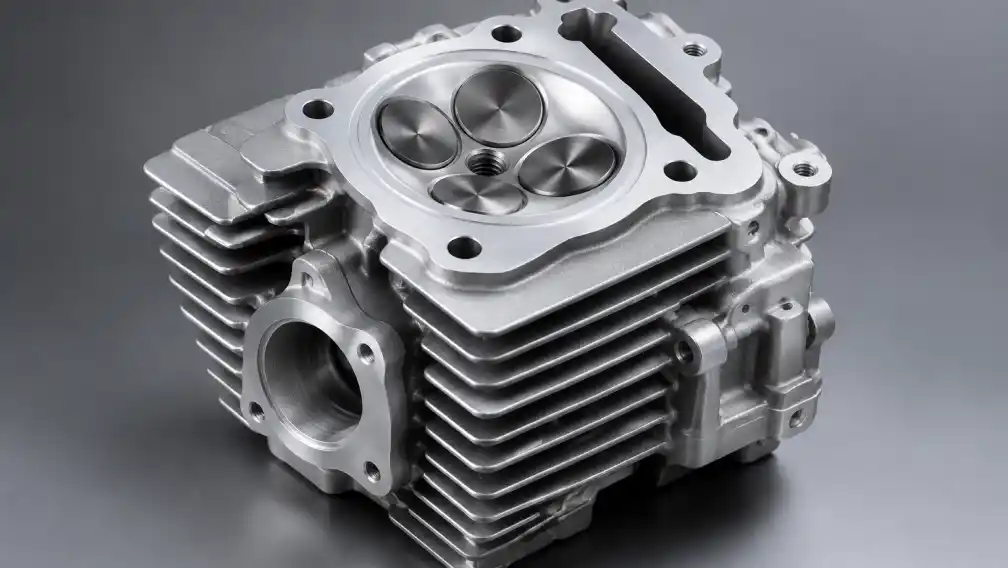
The cylinder head closes the top of the combustion chamber and carries most of what decides how an engine breathes: the intake and exhaust ports, the valves, seats and guides, the spark plug, and on four-strokes the camshaft and its journals. It is also the engine part most exposed to heat. Combustion temperatures act on a few square centimeters of chamber surface, and every weakness in casting quality, seat material or machining shows up there first.
This guide is written for distributors, importers and fleet buyers who stock or specify motorcycle cylinder heads. It covers what the part does, how the main architectures differ, how heads fail in the field, what separates a well-made aftermarket head from a weak one, and how to structure a sourcing program that keeps returns low.
What a Motorcycle Cylinder Head Actually Does
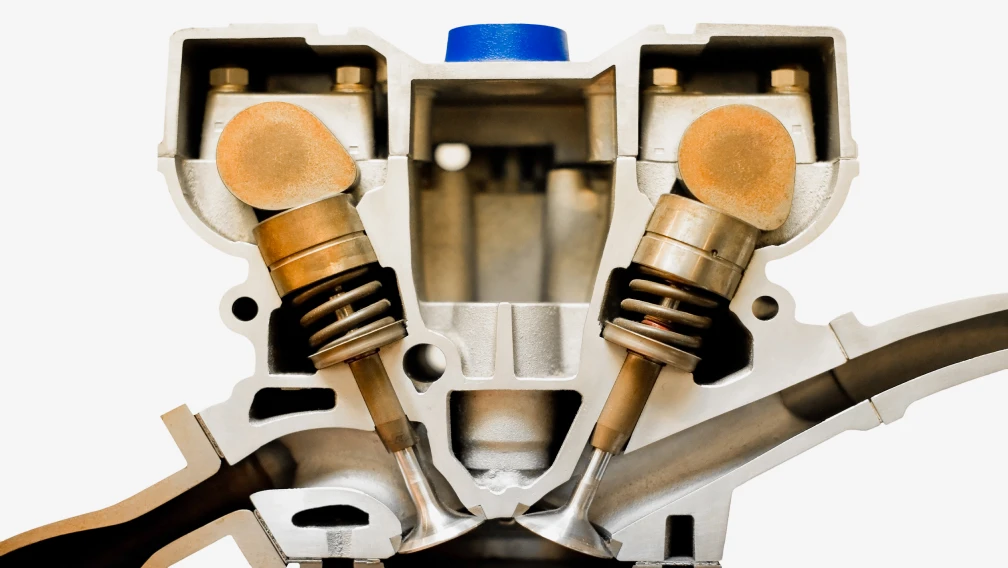
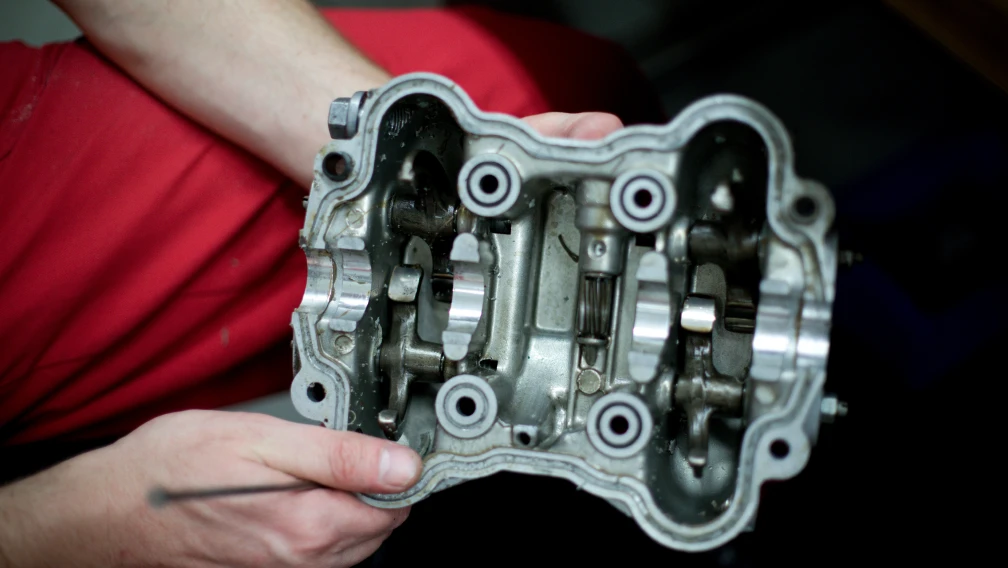
Strip a four-stroke head down and you find five working systems in one casting. The combustion chamber shapes the burn and, with the piston crown, sets the compression ratio. The ports move the charge in and the exhaust out; their shape and surface decide how freely the engine breathes at speed. The valves, seats and guides seal the chamber thousands of times per minute and pass heat out of the valve heads. The camshaft and journals time the whole cycle. And the plug boss positions the spark where the chamber design wants it. A two-stroke head carries none of the valve gear; its job is the chamber dome and the squish band around it, which drives the charge toward the plug and sets detonation resistance.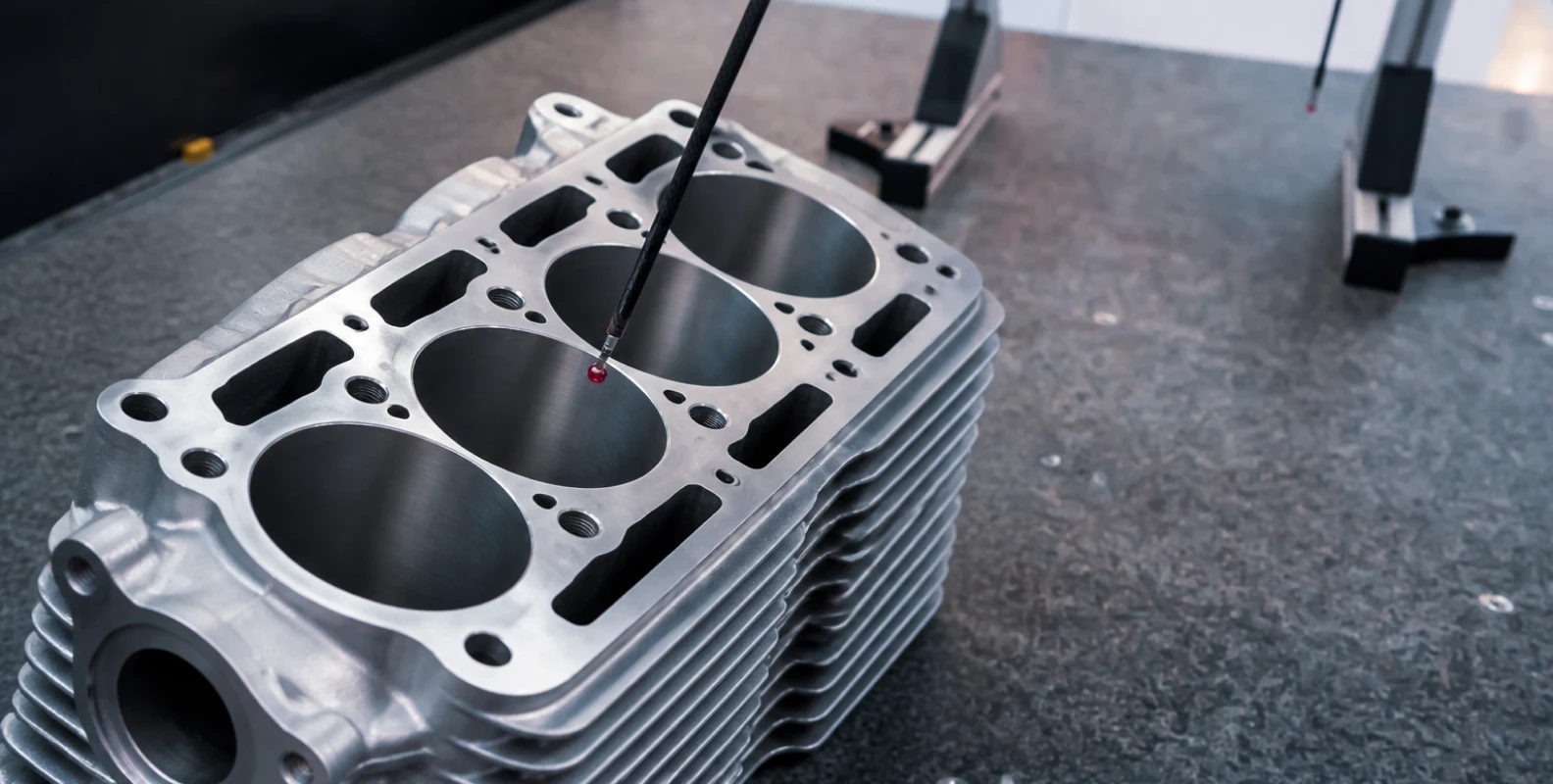
That concentration of functions explains why the head dominates engine rebuild economics. A worn cylinder can be re-bored; a tired crank can be reconditioned. When a head warps, cracks or sinks its valve seats, the repair bill climbs fast, and full replacement often wins on cost and downtime. For parts channels, that makes the cylinder head a steady, failure-driven replacement category with demand that does not depend on trends.
Two-Stroke and Four-Stroke Heads Are Different Products
Two-stroke heads: a tuning component
A two-stroke head is a dome with a sealing surface, but the dimensions inside that dome are performance-critical. Squish clearance and chamber volume set the effective compression and the engine's resistance to detonation on a given fuel. This is why the two-stroke head market behaves like a tuning market: riders and race teams buy high-compression variants, interchangeable-insert systems and elevation-specific chambers. The motocross and enduro platforms covered in our dirt bike cylinder heads range show how deep this demand runs.
Four-stroke heads: a wear component
A four-stroke head lives a harder mechanical life. Titanium or steel valves hammer the seats, guides wear oval, and cam journals score when oil film fails. The failure-driven replacement cycle is longer than a two-stroke's but just as certain, and it concentrates on the hardware inside the casting: seat material, guide alloy, and the accuracy with which they were installed. For buyers, this means four-stroke head quality is decided by machining discipline, and it can be verified with gauges rather than taken on faith.
SOHC, DOHC and Pushrod: Why Architecture Matters to Your Catalog
Valve-train architecture decides what a replacement head must include and who buys it. A SOHC head with rocker arms serves commuter and mid-displacement platforms where owners value simple adjustment and long service intervals. A DOHC four-valve head serves sport and motocross platforms where titanium valves and finger followers raise both performance and seat wear. Pushrod heads survive mainly on classic and cruiser V-twins, where the aftermarket supports engines built decades apart. The practical differences for a stocking program:
| ARCHITECTURE | TYPICAL VALVES | WHERE IT DOMINATES | REPLACEMENT DEMAND DRIVER |
|---|---|---|---|
| Pushrod / OHV | Two per cylinder | Cruiser V-twins, vintage platforms | Age, restoration, seat recession from unleaded fuel |
| SOHC | Two to four per cylinder | Commuters, dual-sports, mid-size street | Fleet mileage, neglected valve clearances, overheating |
| DOHC | Four per cylinder | Sport, motocross, performance street | Titanium valve seat wear, crash damage, track heat cycles |
| Two-stroke dome | None | Motocross, enduro, classic small bikes | Detonation damage, tuning demand, racing consumables |
Architecture also drives cataloging discipline. The same model family can span generations with different heads, and a listing that glosses over the difference becomes a returns generator. Buyers serving V-twin cruisers will recognize this pattern from our V-twin cylinder heads range, where one brand spans several incompatible generations.
How Motorcycle Cylinder Heads Fail
Field failures cluster into six patterns, and each maps to a quality point you can check before you buy:
Overheating and warpage. Sustained high load, lean running or blocked cooling warps the deck. Symptoms are coolant loss, oil contamination and compression leaks. A head that leaves the factory with verified deck flatness starts with margin; a warped casting starts with none.
Valve seat recession. Seats wear or sink, clearances tighten, and the engine burns valves. Unleaded fuel accelerates this on older engines designed for leaded petrol, which is why hardened seats are the standard upgrade on the classic platforms in our vintage motorcycle cylinder heads range. On modern four-strokes with titanium valves, seat alloy and installed height decide how long clearances stay in range.
Valve guide wear. Worn guides let valves wobble, oil consumption rises and seats wear unevenly. Guide material and bore finish are the controls; both are cheap to check on a sample head.
Cracks. Thermal fatigue and detonation crack castings between the seats or around the plug boss. Casting density decides crack resistance, which brings the discussion back to foundry control.
Spark plug thread damage. Over-torqued or cross-threaded plugs strip the boss. Helicoil repairs work, but repeat damage on a fleet points to replacement.
Two-stroke detonation. Wrong squish for the fuel sandblasts the chamber dome and can collapse a ring land. Chamber volumes measured and recorded per batch are the defense.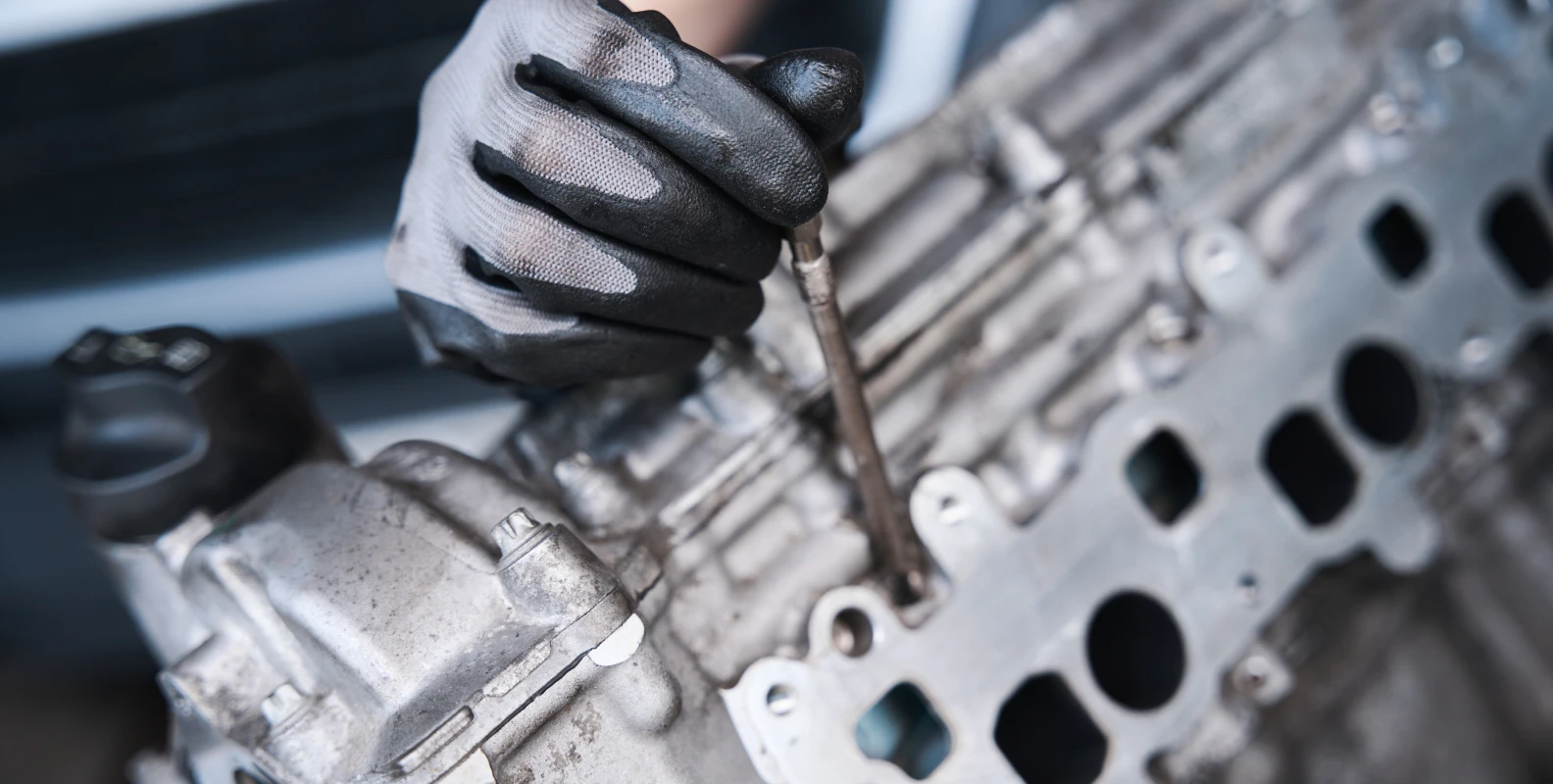
Materials and Manufacturing: What Separates a Good Aftermarket Head
Nearly every motorcycle head on the market is an aluminum casting, and the quality spread comes from four process decisions. First, the alloy and heat treatment: A356 aluminum with T6 treatment is the industry baseline for strength and machinability, and any serious supplier will state both without being asked. Second, the casting method: high-pressure die casting gives density and dimensional stability; low-pressure and gravity processes suit larger or lower-volume parts. Third, the cores: water jackets and oil passages are formed by sand cores, and core precision sets the casting's airtightness. Fourth, the machining: seats should be cut after pressing, guides honed to size, decks finished flat and cam journals line-bored, with critical dimensions recorded per batch.
These points are checkable. Ask a supplier for batch measurement records on a sample order — chamber volume, seat concentricity, guide bore, deck flatness — and you will learn more about their process than any brochure will tell you. Our own process chain is documented on the manufacturing capabilities page, and the same verification logic applies to any factory you evaluate.
Billet heads deserve a note. Fully machined heads exist for racing and low-volume applications and deliver excellent consistency at high unit cost. For distributor volume, a well-controlled casting with full CNC finishing hits the better balance of cost, consistency and supply stability.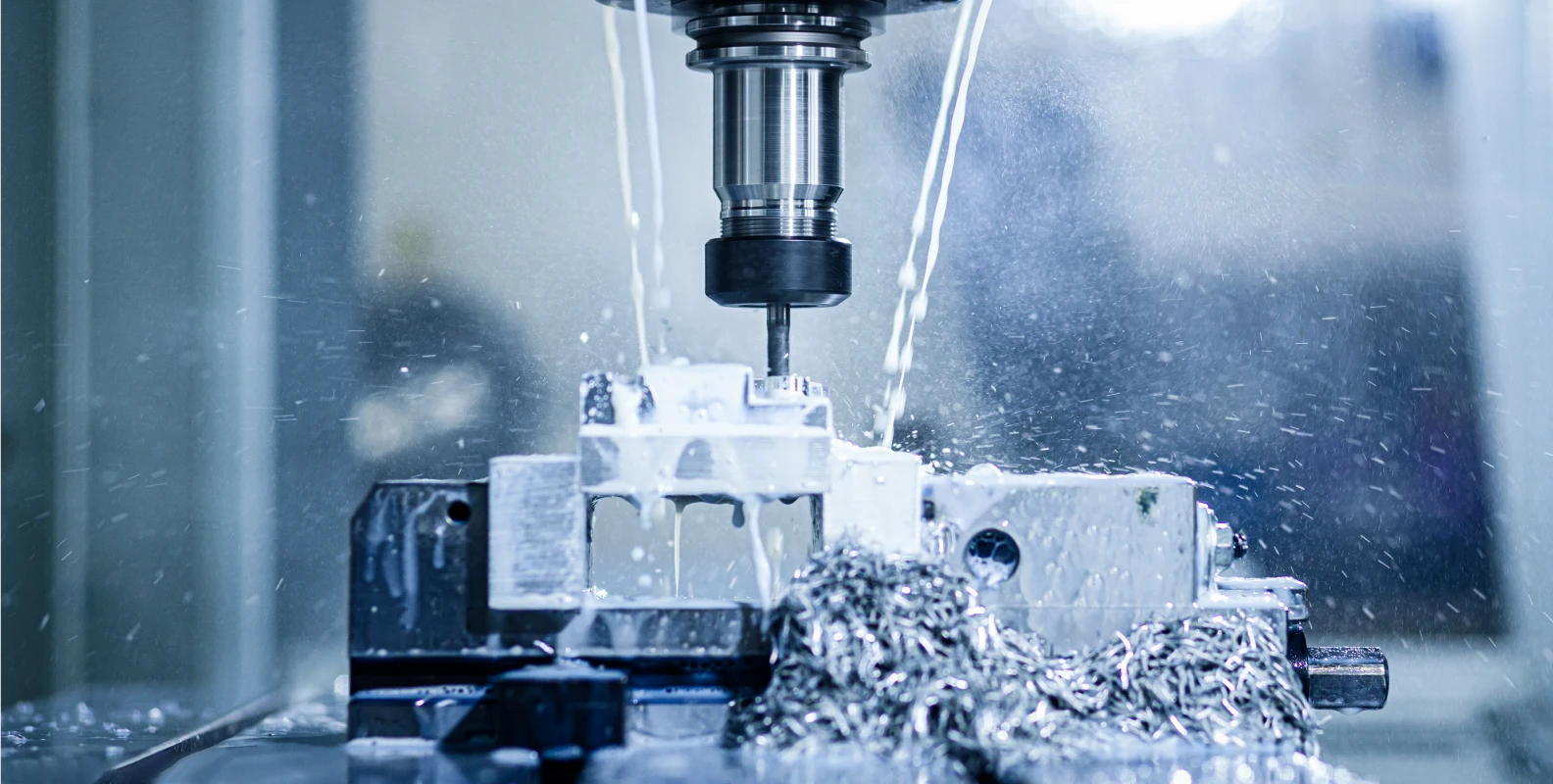
OEM, Aftermarket and Remanufactured: The Real Trade-Offs
Distributors weigh three supply types. Genuine OEM heads carry the brand and the price, and availability thins quickly once a model leaves production. Remanufactured heads rebuild used cores; unit cost is low, but consistency follows the condition of the cores, which varies piece to piece. New aftermarket heads sit between: fresh castings, stable specifications, and coverage decided by market demand rather than by what the vehicle maker still lists.
| FACTOR | OEM GENUINE | NEW AFTERMARKET | REMANUFACTURED |
|---|---|---|---|
| Availability on older models | Declines after production ends | Follows market demand | Depends on core supply |
| Batch consistency | High | High with a disciplined factory | Varies with core condition |
| Unit cost position | Highest | Middle | Lowest |
| Inventory planning | Tied to OEM parts policy | Stable specifications, easy planning | Specification drift between batches |
For long-term inventory, new aftermarket heads give the most predictable foundation — provided the factory's batch discipline is verified rather than assumed.
How to Structure a Sourcing Program for Your Market
Start from the installed base, not from a catalog
Head demand follows the vehicles actually on the road in your market and the way they are used. Taxi and delivery fleets burn through commuter heads on a maintenance rhythm; racing channels consume two-stroke and motocross heads on a season calendar; classic scenes buy in waves around restoration seasons. Map your top models and their model-year splits first, then buy against that map. The fleet economics behind commuter platforms are covered in detail on our commuter bike cylinder heads page.
Send suppliers information they can act on
A supplier confirms fitment fastest when you provide the model name, model-year range and the OE part number, plus a sample where any doubt exists. Regional nameplates matter: the same engine often sells under different badges across markets, and the OE number is the only identifier that never lies. Treat a supplier who quotes without asking these questions as a risk signal.
Evaluate the factory with a trial order
Place a trial order and measure what arrives. Check chamber volumes on two-stroke heads, seat concentricity and deck flatness on four-strokes, and compare the results against the batch records the supplier provided. Ask how model-year variants are cataloged, how regional nameplates are cross-referenced, and how gas-fuel or high-compression specifications are separated from standard stock. The answers tell you whether the factory runs a catalog or a guessing game.
Decide bare versus complete by channel
Bare heads — seats and guides fitted and machined — suit workshops that build assemblies to their own component choices. Complete assemblies suit retail channels and fleets that want a bolt-on unit, leak-tested and ready. Most distributors run a mix, weighted by their customer base.
Work With a Manufacturer That Documents Every Batch
We cast and machine motorcycle cylinder heads for the global replacement market, covering motocross, commuter, cruiser, vintage and scooter platforms with batch measurement records on every production run. Send us your target models, OE numbers or a sample head, and we will return a fitment confirmation and a supply proposal built around your market.
-

Feiya Engineering Team
A dedicated group of manufacturing experts at Feiya Machinery since 2009. With a focus on DFM (Design for Manufacturing) and quality control, our team oversees the production of 5,000+ tons of aluminum castings annually. We share practical insights on tooling, metallurgy, and machining to help global buyers make informed sourcing decisions.